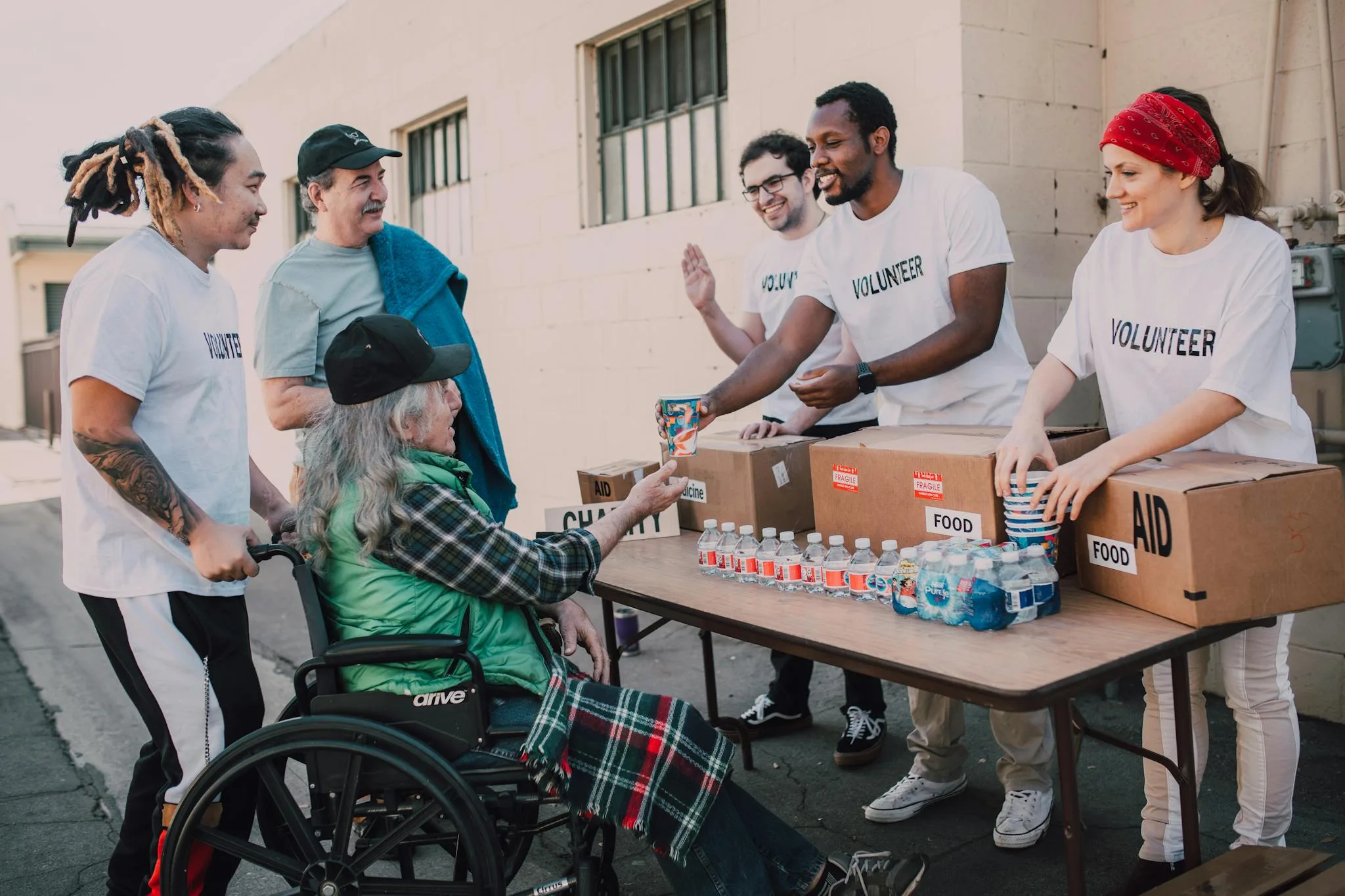
In 2019, a tiny animal rescue in rural Ohio raised $4,200 in a single weekend — not with a gala, not with a grant, but with a spontaneous Facebook Live featuring their most adoptable dogs, a $5 minimum donation, and a volunteer who happened to be funny on camera.
That story stuck with me. Because it captures what modern nonprofit fundraising actually looks like: scrappy, human, creative, and increasingly digital. The traditional playbook — annual galas, direct mail, and cold grant applications — still works. But it works alongside TikTok challenges, AI-personalized email journeys, crowdfunding sprints, and community events that double as brand moments.
Maria had been running her literacy nonprofit for six years with the same three revenue streams: an annual dinner, a small government grant, and a handful of major donors she’d cultivated over time. Then COVID hit. The dinner was cancelled. The grant was frozen. Two of her major donors lost their businesses.
“I had 72 hours to figure out how to make payroll,” she told me. “I’d never really thought about the other 362 ways I could have been raising money.”
Three years later, her organization runs 14 simultaneous income streams. She sleeps better. And she wishes someone had given her a complete list sooner.
This article is that list.
We’ve organized 365 fundraising ideas into 13 categories — from digital-first campaigns to events, grants, earned income, and everything in between. Whether you’re a one-person shop or a 200-person organization, this is your starting point.
Table of Contents
- Digital & Online Fundraising (Ideas #1–40)
- Events & Experiences (#41–90)
- Peer-to-Peer & Community (#91–120)
- Corporate Partnerships (#121–150)
- Grants & Government Funding (#151–175)
- Major Gifts & Planned Giving (#176–200)
- Recurring Giving Programs (#201–220)
- Products & Merchandise (#221–245)
- Earned Income & Social Enterprise (#246–270)
- Seasonal & Holiday Campaigns (#271–300)
- In-Kind & Volunteer Value (#301–320)
- Cause Marketing (#321–345)
- Creative & Emerging Strategies (#346–365)
- Frequently Asked Questions
1. Digital & Online Fundraising
The internet democratized fundraising. A well-run online campaign can outperform a $50,000 gala — with no venue deposit. These are the ideas that belong in every nonprofit’s digital strategy.
Core Online Giving
- Optimized Donation Page — Redesign your website’s donate page with urgency, impact metrics, and suggested amounts tied to real outcomes (e.g. “$25 feeds a family for a week”).
- Giving Tuesday Campaign — Launch a full 24-hour blitz on the Tuesday after Thanksgiving — the single biggest online giving day of the year.
- End-of-Year Appeal — Send a 3-email sequence in December timed to tax-deadline urgency. Personalize by donor history.
- Text-to-Donate — Set up SMS giving keywords (e.g. “FEED” to 44321) for events, ads, and direct mail pieces.
- Crowdfunding Campaign — Use GoFundMe Charity, Mightycause, or Fundly for a time-limited project with a clear funding goal.
- Matching Gift Drives — Secure a match from a major donor, then promote aggressively. Matched campaigns raise 2× more on average.
- Donor Wall / Impact Ticker — Display a live counter of donations raised on your website homepage to build social proof and urgency.
- Digital Pledge Drive — Run a 48–72 hour pledge campaign with a public thermometer that fills in real time toward a specific goal.
- Tribute / Memorial Giving Page — Create dedicated tribute pages where donors give in honor or memory of someone they love.
- Recurring Giving Default — Change your donation form default from “one-time” to “monthly” — this single change increases sustainer sign-ups by 30–40%.
Social Media & Content Fundraising
- Facebook Fundraiser Trending — Birthday fundraisers and cause pages. Facebook waives all fees for certified nonprofits.
- Instagram Donate Button — Eligible nonprofits can add a donate sticker to Stories and a button to posts — zero-friction giving in the scroll.
- TikTok for Good Trending — Short-form video storytelling with in-app donation cards. TikTok’s algorithm rewards authenticity over production value.
- YouTube Giving — Enable the donate button on your YouTube channel and add it to long-form videos and livestreams.
- LinkedIn Fundraiser — Ideal for professional-cause organizations. LinkedIn’s network skews toward higher net-worth donors.
- Viral Challenge — Design a shareable, branded challenge with a donation call-to-action. Think ALS Ice Bucket but tailored to your cause.
- Live Fundraising Stream — Host a Twitch, YouTube Live, or Instagram Live fundraising event — real-time donations shown on screen drive momentum.
- Social Proof Posts — Share donor milestones, funding progress, and real-time impact stories to trigger FOMO giving throughout the campaign.
- Instagram Reel Series — Produce a weekly “Impact Moment” reel showing exactly what donations fund — raw, unscripted, behind-the-scenes.
- Pinterest Board + Donate Link — Pin visual mission stories to curated boards with links directly to your giving page.
Email & Digital Marketing
- Abandoned Donation Email — Recover incomplete transactions with a gentle follow-up email. Typically recaptures 10–20% of drop-offs.
- Welcome Series Upgrade Ask — In your new subscriber sequence, include a soft giving ask by email 4 or 5.
- Impact Report Email — Send a beautiful annual impact report. Donors who see their gifts at work give again 40% more often.
- Google Ad Grants — Apply for Google’s $10,000/month in free search ads for nonprofits to drive traffic to your donate page.
- Retargeting Ads — Run Facebook and Google ads targeting people who visited your donate page but didn’t complete a gift.
- Donor Segmentation Campaign — Personalize emails by giving level, cause interest, and geography. Segmented campaigns earn 760% more revenue.
- Re-Engagement Campaign — Target lapsed donors (12+ months inactive) with a “we miss you” email series with a compelling comeback story.
- Welcome Back Series — For donors who gave only once, create a 4-email story arc ending with a second-gift ask tied to new impact.
Emerging Digital Strategies
- AI-Personalized Appeals New 2026 — Use AI tools to personalize subject lines, ask amounts, and content blocks for each donor segment automatically.
- Crypto Donations Trending — Accept Bitcoin and Ethereum through The Giving Block. Crypto donors give 1,000× more on average than traditional donors.
- NFT Fundraiser — Commission digital art, auction it as an NFT, and direct proceeds to your cause — excellent for tech-forward audiences.
- QR Code Giving — Place QR codes in physical spaces, print materials, and event signage linking directly to your donate page.
- Podcast Giving CTA — If you run a podcast, include a giving ask at natural break points with a specific URL and clear offer.
- Digital Legacy Circle New — Launch an online community for planned giving donors with exclusive content, virtual events, and premium stewardship.
- Chatbot Fundraising — Deploy an AI chatbot on your website to guide visitors toward giving with conversational prompts and impact statements.
- Subscription Giving App — Partner with apps like Benevity to embed recurring giving into daily digital habits.
- Virtual Tip Jar — Add a recurring micro-donation option ($1–5/month) to your website for casual supporters who want to contribute a little.
- Shopify Donate Button — If you sell merchandise online, add a donation option at checkout — easy impulse giving at point of purchase.
- Browser Extension Giving — List your nonprofit on GoodShop or ShopRaise so supporters donate a percentage of their everyday online purchases.
- Spotify Playlist Fundraiser — Create a cause-themed playlist and invite supporters to share it — embed your donate link in the description.
2. Events & Experiences
Events build community, create memories, and generate revenue simultaneously. The best nonprofit events feel like gifts to attendees — not just fundraising asks.
Classic Fundraising Events
- Annual Gala — The gold standard. Pair with a live auction, paddle raise, and sponsor tables for a multi-revenue-stream evening.
- Charity Auction — Live, silent, or online-only. Partner with local businesses for donated items to minimize your cost of goods.
- Golf Tournament — A perennial corporate favorite. Add a hole-in-one prize sponsorship to boost excitement and sponsorship revenue.
- 5K Run/Walk — Registration fees + sponsorships + peer-to-peer fundraising pages = three income streams from one event.
- Gourmet Dinner — Partner with a local chef or restaurant for an exclusive culinary experience — high ticket, intimate, and mission-tied.
- Trivia Night — Low-cost, high-fun. Charge per team, sell food and drinks, and add a live auction or raffle for extra revenue.
- Comedy Night — Partner with a local comedy club or book a known comedian. Ticket sales + sponsor recognition = strong margins.
- Art Exhibition & Sale — Feature local artists with a portion of sales donated. Art buyers feel great; artists get exposure; you raise funds.
- Fashion Show — Partner with local boutiques or fashion students for a ticketed runway show benefiting your cause.
- Concert or Music Festival — From a single local band to a multi-stage outdoor festival — music events attract new audiences beyond your existing donor base.
Fun & Participatory Events
- Bingo Night — Simple, nostalgic, and profitable. Sell cards, concessions, and special game upgrades throughout the evening.
- Casino Night — Rent casino equipment, sell fake chips, and auction prizes at the end. A perennial crowd-pleaser.
- Escape Room — Partner with a local escape room or DIY your own. The team-building format works perfectly for corporate donors.
- Scavenger Hunt — City-wide or campus-based. Charge per team, add donor clue sponsors, and tie each stop to your mission.
- Talent Show — Local performers + community pride + ticket sales = low-cost, high-energy event with a built-in audience.
- Cooking Class — Partner with a chef for a ticketed class. Participants learn, eat, and give all in one experience.
- Battle of the Bands — Local bands compete, fans vote with donations — organic social media momentum and built-in audiences.
- Chili Cook-Off — Community staple. Charge entry fees for cooks and tasters, and add a sponsor to the “judge’s trophy.”
- Yoga or Fitness Marathon — Charge per session or per hour of participation — wellness-oriented donors respond well to active fundraising formats.
- Game Night Tournament — Chess, Scrabble, Settlers of Catan — niche communities rally around themed competitive events.
Virtual & Hybrid Events
- Virtual Gala Trending — Fully online event with livestreamed program, digital auction, and real-time donation tracking.
- Online Silent Auction — Run for 3–7 days using platforms like 32auctions or Handbid. No venue needed, broader geographic reach.
- Virtual 5K — Participants run on their own schedule, submit results, and share on social — massive geographic reach for the same event.
- Fundraising Webinar — Host an expert talk on a topic your audience cares about, with a giving ask woven naturally into the program.
- Virtual Raffle — Legal in most states. Sell tickets online, draw live, and ship prize to winner. Simple, scalable, and repeatable.
- Online Concert or Performance — Commission a musician for a private livestream — ticket proceeds go to your cause, the artist gets exposure.
- Hybrid Summit — Host your annual event with both an in-person core and a streaming ticket tier — doubles your potential audience size.
- Virtual Cooking Class — Ship ingredient kits to participants and host a live class over Zoom. Sponsors can fund the kits for scholarship attendees.
3. Peer-to-Peer & Community Fundraising
Your donors are your best fundraisers. Peer-to-peer campaigns turn supporters into ambassadors and tap social networks you could never reach alone.
Peer-to-Peer Campaigns
- Birthday Fundraisers — Encourage supporters to replace birthday gifts with donations. Facebook makes this frictionless — and it consistently works at scale.
- Personal Campaign Pages — Give each fundraiser a personal page with their story, photo, and goal. Donors give more to people they know.
- Team Fundraising Challenge — Pit departments, schools, or friend groups against each other with a leaderboard. Friendly competition drives giving.
- Tribute Gifts — Encourage donors to give “in honor of” or “in memory of” a loved one — deeply personal and highly effective.
- Ambassador Program — Recruit 10–20 passionate supporters as year-round fundraising ambassadors with training, tools, and recognition.
- Wedding Registry Fundraiser — Offer couples the option to direct wedding gifts to your cause as an alternative or supplement to their registry.
- Graduation Fundraiser — Tap graduating classes — high school or college — for a class gift campaign to a cause they believe in.
- Sports Team Fundraising — Partner with local amateur sports teams who fundraise for your cause through games, bake sales, and social posts.
- Walk-a-Thon or Pledge Event — Supporters collect pledges per mile, per hour, or per unit of activity — classic format, still highly effective.
- Neighborhood Fundraising Block Party — Activate geographic communities through block parties or neighborhood events where proceeds benefit your mission.
4. Corporate Partnerships & Sponsorships
Corporations need community credibility. You need resources. Done right, these partnerships benefit both sides — and can become your most reliable multi-year revenue stream.
Sponsorship Models
- Event Sponsorship Tiers — Create Gold/Silver/Bronze packages for your events with clear recognition benefits at each level.
- Annual Corporate Sponsor — Offer year-round naming rights to programs, spaces, or report sections in exchange for multi-year commitments.
- Employee Giving Programs — Partner with companies that match employee donations and make it easy for their HR team to administer.
- Volunteer Grant Programs — Many corporations donate money when their employees volunteer. Recruit corporate volunteers, then request the grant.
- Cause-Related Marketing — “$1 from every purchase goes to X.” Pitch this to local businesses as a win-win marketing and giving strategy.
- Corporate Challenge Grant — Ask a corporation to issue a challenge grant — they match all public donations up to a set amount for a limited time.
- In-Kind Sponsorship — Ask businesses for goods and services instead of cash: printing, catering, venue space, software licenses, advertising.
- Skills-Based Partnership — Recruit law firms, marketing agencies, or tech companies to donate professional services — often worth more than cash gifts.
- Corporate Board Membership — Invite corporate leaders onto your advisory board in exchange for a sponsorship commitment and access to their networks.
- Payroll Giving Partnership — Work with an employer to set up automatic payroll deductions to your organization for their employees.
5. Grants & Government Funding
Grants reward specificity, outcomes, and relationships. The organizations that win grants consistently are those that start building funder relationships before they ever submit a proposal.
Types of Grants to Pursue
- Foundation Grants — Research foundations aligned with your mission using Candid (formerly GuideStar). Apply for project and general operating support.
- Community Foundation Grants — Local community foundations often have less competition and stronger interest in place-based organizations.
- Federal Grants (Grants.gov) — Search Grants.gov for federal funding from SAMHSA, HUD, DOJ, and dozens of other agencies that fund nonprofit work.
- State & Local Government Grants — Your state’s arts, health, education, or housing agency may have grants specifically for nonprofits in your sector.
- Corporate Foundation Grants — Many major companies have separate foundations (e.g., Walmart Foundation, JPMorgan Chase Foundation) with open grant cycles.
- Faith-Based Grants — Religious institutions and faith-based foundations fund social service nonprofits regardless of the organization’s own affiliation.
- Emergency/Rapid Response Grants — Keep a standing list of funders offering emergency grants for when disaster or crisis affects your community.
- Capacity Building Grants — Some foundations specifically fund organizational infrastructure: technology, staff training, evaluation systems, and strategic planning.
- Research & Innovation Grants — If your programs have an evidence base, pitch to foundations interested in scaling proven models.
- Multi-Year General Operating Support — The holy grail. Identify funders who offer unrestricted, multi-year support and invest in those relationships deeply.
6. Major Gifts & Planned Giving
The Pareto principle applies to nonprofit fundraising: roughly 80% of revenue comes from 20% of donors. Identifying and cultivating major gift prospects is the highest ROI activity in fundraising.
Major Gift Strategies
- Prospect Research — Use tools like DonorSearch or iWave to identify donors with capacity and affinity before you make the ask.
- Moves Management System — Track each major donor through cultivation stages — acquisition, engagement, solicitation, stewardship — in your CRM.
- Named Endowment Fund — Invite major donors to establish a named fund that supports your mission in perpetuity through your foundation.
- Naming Rights — Offer naming opportunities for spaces, programs, or scholarships at a defined major gift threshold.
- Bequest / Legacy Giving — Invite donors to include your organization in their will. A single bequest can exceed years of annual giving combined.
- Charitable Remainder Trust — Donors transfer assets to a trust that pays them income for life — then the remainder flows to your organization.
- Donor-Advised Fund (DAF) Grants — Encourage donors with DAF accounts to recommend grants to your organization. DAF assets topped $230B in 2024.
- IRA Qualified Charitable Distribution — Donors 70½+ can transfer up to $105K/year from their IRA directly to your org — tax-free to them.
- Major Donor Cultivation Events — Host small, intimate events — home tours, behind-the-scenes visits, dinner with leadership — exclusively for major gift prospects.
- Charitable Gift Annuity — Offer donors a guaranteed income stream in exchange for a substantial gift to your organization.
7. Recurring Giving Programs
Monthly donors are worth 5–10× more than one-time donors over their lifetime. Building a strong recurring giving program is the single most stabilizing thing you can do for your annual budget.
Monthly & Sustainer Giving
- Monthly Giving Club — Create a named, identity-driven giving club (e.g., “The Changemakers Circle”) for recurring donors with exclusive benefits.
- Sustainer Upgrade Campaign — Convert one-time donors to monthly with a specific ask: “For less than a cup of coffee a day…”
- Annual-to-Monthly Conversion — When a donor gives annually, offer a monthly equivalent — same total, spread across the year.
- Sustainer Retention Program — Proactively update expiring credit cards, send thank-you calls, and celebrate sustainer anniversaries to reduce churn.
- Mid-Year Upgrade Ask — In June or July, ask monthly donors to increase by just $5/month. Small ask, compounding impact.
- Sustainer Welcome Journey — Build a 6-email onboarding sequence for new monthly donors: orientation, impact stories, community, and a personal thank-you call.
- Lapsed Sustainer Reactivation — Run a quarterly campaign specifically targeting sustainers who cancelled — win-back rates are often 15–25%.
- Annual Anniversary Recognition — Celebrate each sustainer’s giving anniversary with a personalized note and cumulative impact summary.
8. Products & Merchandise
Well-designed merchandise does double duty: it raises money and turns donors into walking ambassadors for your cause.
Merchandise & Product Ideas
- Branded T-Shirts — Design a shirt people actually want to wear. Partner with a local artist for something visually compelling, not just a logo tee.
- Mission-Tied Products — Let the product tell your story. Environmental org? Sell reusable bags. Literacy org? Sell bookmarks.
- Print-on-Demand Store — Use Printful or Bonfire to run a zero-inventory online merch store. No upfront costs, automatic fulfillment.
- Recipe Book / Cookbook — Collect recipes from donors, staff, and community members. Sell the printed book online and at events.
- Photo Calendar — Feature mission-related photography in a beautiful annual calendar — great for year-end holiday gifting.
- Branded Tote Bags — A staple that never goes out of style — especially at farmers markets, library events, and community fairs.
- Gift Cards — Sell gift cards that donors can give to friends, who then choose which of your programs to support.
- Children’s Book — Commission or author a story that reflects your mission. Sell in schools, gift shops, and online.
- Coffee or Tea Blend — Partner with a local roaster to create a branded coffee or tea where proceeds benefit your cause.
- Custom Holiday Ornament — A mission-themed ornament makes a meaningful year-end gift that keeps your brand in donors’ homes.
9. Earned Income & Social Enterprise
The most financially resilient nonprofits don’t rely solely on donations. Earned income strategies let you fund your mission through the marketplace.
Social Enterprise Models
- Fee-for-Service Programs — Offer training, consulting, or direct services to paying clients. Government agencies, schools, and hospitals are prime buyers.
- Rental Income — If you own property, rent your space to community groups, businesses, or other nonprofits during off-hours.
- Mission-Driven Café or Restaurant — Like Homeboy Industries, create a food business that employs your constituents and generates revenue simultaneously.
- Thrift Store — Goodwill’s model works at any scale. Accept donated goods, resell at low cost, fund your programs.
- Training Academy — Certify professionals in your area of expertise. Workforce development nonprofits often charge for employer-facing training programs.
- Online Course / E-Learning — Package your expertise into a paid online course on Teachable, Kajabi, or Udemy — scalable passive income.
- Consulting Services — Offer your organization’s specialty expertise (e.g., trauma-informed care training) to other organizations for a professional fee.
- Event Venue Rental — Rent your meeting rooms, kitchen, or outdoor space to the public — especially popular for small businesses and community events.
- Publishing / Content Licensing — License your research, curriculum, or training materials to other organizations, schools, or government agencies.
- Farm or Garden Revenue — If your mission involves agriculture or food access, sell produce, flowers, or value-added products at markets.
10. Seasonal & Holiday Campaigns
Fundraising has a rhythm. The best organizations align their campaigns to cultural moments, giving seasons, and donor psychology throughout the year.
The Nonprofit Fundraising Calendar
- January – New Year / Fresh Start — Theme your January appeal around new beginnings. Donors are motivated by resolutions and optimism entering a new year.
- February – Valentine’s Day — “Give the gift of love.” Donation-in-someone’s-name campaigns work beautifully in February.
- March – Spring Cleaning Drive — Collect donated goods for a community sale, thrift shop, or direct program use.
- April – Tax Season Reminder — Remind donors of the April 15 filing deadline. Gifts before then are deductible on that year’s return.
- May – Mother’s / Father’s Day — Tribute gifts in honor of a parent are a deeply resonant alternative to commercial gifts.
- June – School’s Out Campaign — Youth-serving organizations can highlight the “summer slide” and the need for summer programs.
- July – Mid-Year Impact Report — Send a campaign celebrating what you’ve accomplished and what you still need to do by December 31.
- August – Back to School Drive — Collect school supplies, backpacks, or uniforms for low-income students before the school year begins.
- September – Season of Change — Education, youth, and community orgs shine in September. Open house events, scholarship campaigns, reading programs.
- October – Awareness Month Campaign — Many causes have October awareness designations. Tie your campaign to the broader cultural conversation.
- November – Month of Gratitude + Giving Tuesday — The highest-volume giving month. Plan 4 weeks of content culminating in Giving Tuesday (first Tuesday after Thanksgiving).
- December – Year-End Tax Push — The final 72 hours of December drive a disproportionate share of annual giving. Have your email and social strategy ready.
11. In-Kind & Volunteer Value
Not all fundraising involves cash. In-kind donations and skilled volunteer contributions can offset significant operating costs — essentially raising money by reducing expenses.
In-Kind & Non-Cash Strategies
- In-Kind Wish List — Publish a specific “wish list” of goods your organization needs — donors love being able to give something tangible and immediate.
- Amazon Charity Registry — Create an Amazon wish list and promote it in emails and social media so supporters can ship items directly.
- Food & Supply Drives — Partner with schools, businesses, and churches to collect high-need supplies for your programs.
- Pro Bono Services — Recruit accountants, lawyers, marketers, and IT professionals to donate their billable time to your organization.
- Corporate Employee Skills Days — Ask companies to send teams of employees to provide skilled volunteer services — a day of work that would cost thousands in fees.
- Vehicle Donation Program — Accept donated cars, boats, and RVs and sell them through a vehicle donation processing partner.
- Stock & Securities Donations — Make it easy for donors to transfer appreciated stock — they avoid capital gains tax, you receive the full market value.
- Real Estate Gifts — Some major donors will give property. Partner with a real estate attorney and gift acceptance policy before promoting this option.
12. Cause Marketing
Cause marketing turns everyday commercial transactions into giving moments. When executed well, it creates long-term brand partnerships that benefit both the nonprofit and the for-profit partner.
Cause Marketing Strategies
- Register Fundraiser — Ask local retailers to add a donation prompt at their register or checkout screen with your org as the beneficiary.
- Dine & Donate Night — Partner with restaurants on “spirit nights.” Diners mention your org, the restaurant donates 15–20% of sales.
- Co-Branded Product Partnership — Commission a co-branded product line where a percentage of all sales benefits your cause.
- Affinity Credit Card — Partner with a bank to offer a co-branded credit card that directs a percentage of spend to your organization.
- Online Shopping Portals — Promote tools like GoodShop or ShopRaise — browser extensions that give back on every purchase supporters already make.
- Workplace Giving Programs — Get listed on Benevity, YourCause, and other employee giving platforms so corporate donors can find and support you easily.
- Restaurant Week Beneficiary — Partner with your city’s restaurant week event as the designated charity beneficiary to gain mass exposure.
- Roundup Campaign — Partner with retailers to let customers round up their purchase to the nearest dollar, with the difference going to your cause.
13. Creative & Emerging Strategies
The most innovative fundraising ideas of 2026 weren’t in any playbook five years ago. These strategies reward creativity, authenticity, and a willingness to experiment.
What’s Working Right Now in 2026
- AI Storytelling Engine New 2026 — Use AI to generate personalized impact stories for each donor: “Because of your $50, here’s exactly what happened.”
- Augmented Reality (AR) Tours New — Let remote donors take a virtual AR tour of your facility, programs, or impact sites via smartphone.
- Community Ownership Model — Invite donors to become co-owners of a social enterprise subsidiary — a hybrid model gaining traction in social finance.
- Participatory Grantmaking — Let your community vote on where funds are directed. Radical transparency builds extraordinary donor loyalty.
- Micro-Investment Bonds — Issue community investment notes through platforms like Calvert Foundation. Donors lend money that earns a small return.
- Gaming for Good Trending — Partner with gaming streamers on Twitch Extra Life events. The gaming community raised $100M+ for children’s hospitals alone.
- AI Chatbot Donor Journey New — Deploy a conversational AI on your website that qualifies, cultivates, and converts donors in real time.
- Influencer Partnership Trending — Partner with a micro-influencer (10K–100K followers) who genuinely cares about your cause for an authentic, high-converting campaign.
- Micro-Sprint Fundraising — Run 7-day or 24-hour sprint campaigns around a specific goal. Urgency and specificity dramatically lift conversion rates.
- Satellite House Party Events — Let supporters host their own fundraising events in their home cities. You provide kits and talking points; they raise local funds.
- Slow Fashion Fundraiser — Partner with a sustainable clothing brand for a capsule collection: mission alignment + ethics + meaningful revenue.
- Skill Swap Auction — Donors offer their professional skills (legal advice, photography, coaching) which are auctioned to the highest bidder.
- Social Impact Bond — Structure a pay-for-outcomes contract with government. Investors fund your programs; government repays if outcomes are met.
- Podcast Sponsorship Revenue — Launch a podcast in your issue area and sell sponsorships to mission-aligned brands — content and revenue simultaneously.
- Gratitude Marketing — Thank donors publicly and creatively — thank-you videos, personalized impact reports, unexpected gifts — as a proactive retention strategy.
- Prediction Market Fundraiser — Let supporters make friendly wagers on mission-related outcomes — all proceeds go to your programs.
- Branded App with Giving Built In — Develop a simple mobile app tied to your cause (tracker, quiz, community tool) with integrated giving functionality.
- Community Investment Note — Allow community members to invest in your social enterprise subsidiary with a small expected return — a blended finance model.
- Live Impact Dashboard New — Publish a real-time public dashboard showing exactly how funds are spent and what outcomes are being achieved — radical transparency as a fundraising strategy.
- The One You Haven’t Tried Yet — Your most powerful fundraising idea is the one born from your unique community, your specific mission, and the relationships only you have. Don’t wait for permission to try something new.
“Fundraising is not about money. It is about connecting people with the missions and organizations that can make their aspirations for a better world real.”
— Kay Sprinkel Grace, Major Gifts Expert
Frequently Asked Questions
How do small nonprofits with no budget start fundraising?
Start with personal outreach and social media. Have board members contact their networks, launch a Facebook Fundraiser, and apply for Google Ad Grants ($10,000/month free). Relationships and a compelling story cost nothing.
What is the most effective fundraising method for nonprofits in 2026?
No single method wins — the best organizations combine monthly giving programs, major donor cultivation, and digital storytelling. Diversification is both a smart strategy and an organizational survival.
How do you convince donors to give monthly instead of one-time?
Tie a specific amount to a specific outcome and a sense of belonging: “For $19/month, you fund weekly tutoring for one student all year — join our Readers Circle.” Make it easy to set up and recognize donors on their anniversary.
What percentage of fundraising should come from events vs. other sources?
No single stream should exceed 30–40% of revenue. A healthy mix: 30% individual giving, 25% grants, 20% events, 15% recurring gifts, 10% corporate or earned income.
How do you write a fundraising appeal that actually converts?
One story. One problem. One solution. One ask is tied to a specific outcome. Add urgency, write simply, and say “you” more than “we.” Always thank donors within 48 hours.
Is it worth applying for grants if we’re a small organization?
Yes — focus on local funders. Community foundations and local family foundations favor place-based impact, have simpler applications, and are easier to build relationships with.
How do we retain donors after they give the first time?
Call them within 24 hours. Send an impact update within 30 days. Make at least three non-ask contacts before your next gift request. The sector average retention rate is just 23% — personal follow-up is the fix.
What are the top trending fundraising strategies for 2026?
AI-personalized outreach, short-form video on TikTok and Instagram Reels, crypto giving, peer-to-peer campaigns with gamification, and hybrid events. The common thread: radical authenticity.
Conclusion
There you have it: 365 ways to raise money for your nonprofit.
Now I want to hear from you. Which strategy from today’s list are you going to try first?
Are you going to launch a monthly giving program? Start a peer-to-peer campaign?
Or maybe apply for Google Ad Grants?
Either way, let me know by leaving a comment below.
And don’t forget to save/bookmark this page and share it on Pinterest so that every Nonprofit can benefit from this.